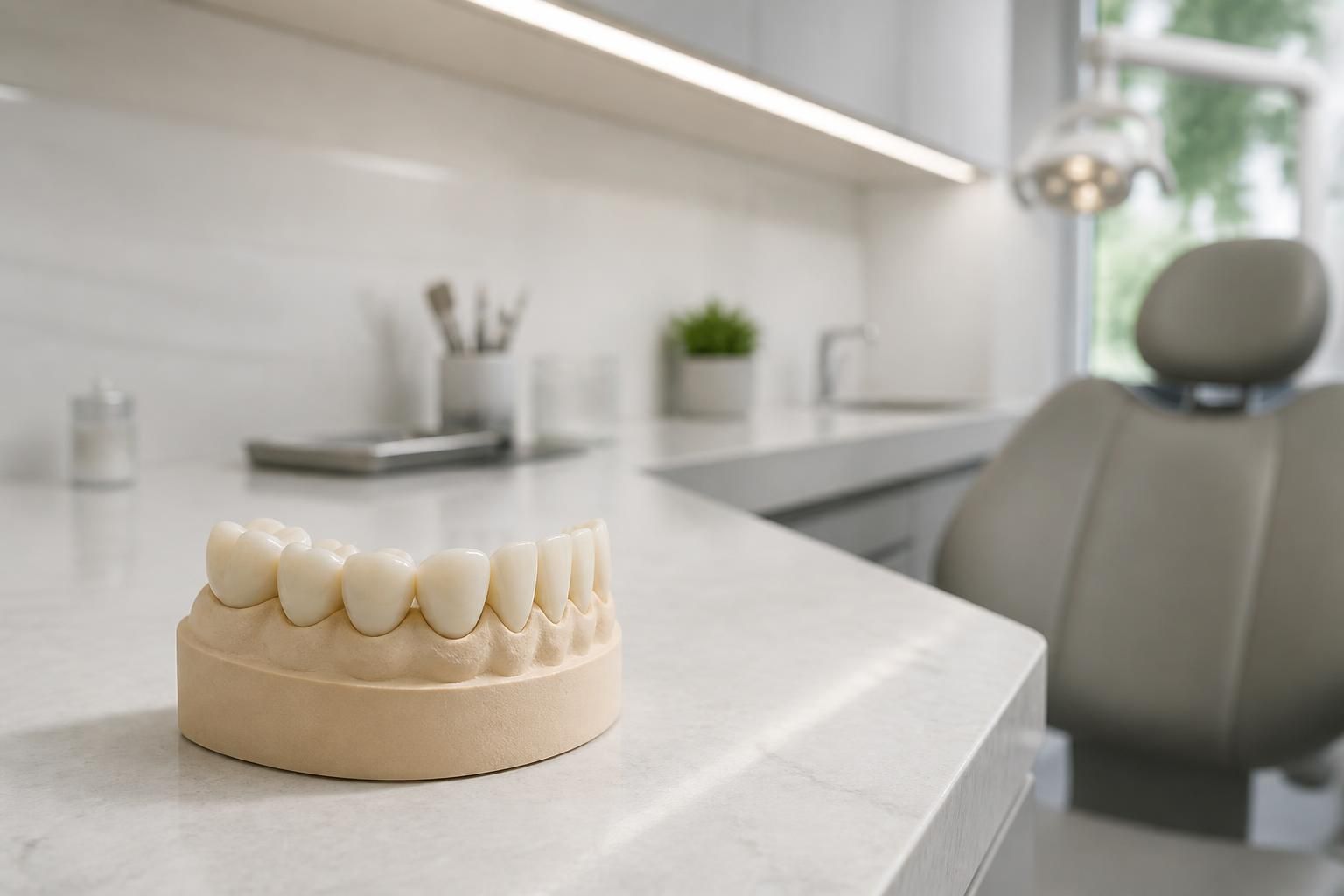
A cracked tooth, a worn-down molar, or a gap left by a missing tooth can make everyday eating feel uncertain. If biting causes sensitivity, your smile looks uneven, or chewing on one side feels awkward, crowns and bridges may be the next step toward a stronger bite.
At Wolff Randy L DDS, we help patients across San Diego, California choose restorations that fit their mouth, match their goals, and feel natural enough for daily life. Whether you need to protect a weakened tooth or replace one or more missing teeth, we take the time to explain the options and map out a plan that makes sense for your situation.
Crowns and bridges are often recommended when a tooth has been damaged enough that a filling alone may not provide enough support, or when a missing tooth leaves an open space that affects chewing and alignment. Acting sooner can help reduce strain on nearby teeth and make it easier to restore normal function.
Common reasons people ask about this treatment include:
Wolff Randy L DDS looks at the condition of the tooth, the surrounding teeth, and the bite before recommending a crown or bridge approach.
A crown is a custom restoration that covers a damaged tooth from top to bottom. It is shaped to look like a natural tooth and designed to reinforce what remains underneath. Crowns are commonly used when the structure of the tooth has been compromised but the root can still support restoration.
A crown can help restore chewing comfort, protect a tooth from further breakdown, and improve the appearance of a tooth that has become misshapen or heavily repaired. It also helps distribute biting pressure more evenly across the tooth.
A crown is often considered when a tooth has a crack, a large area of decay, or significant weakening after prior dental work. It may also be used after root canal therapy to protect the tooth from splitting under normal bite forces.
A bridge is used to replace one or more missing teeth by anchoring an artificial tooth to the neighboring teeth. The result fills the gap and helps restore the way your bite feels and works. Bridges can also help keep nearby teeth from drifting into open space.
For many patients, a bridge offers a stable way to replace a missing tooth without leaving a visible gap. It can also help the mouth feel more balanced when speaking and chewing.
The bridge is held by the teeth on either side of the gap. Those supporting teeth are shaped to receive the restoration, and the bridge is made to fit securely across the space.
Missing teeth can change how food is chewed and may place extra stress on remaining teeth. Over time, the nearby teeth may tilt or shift, which can make cleaning and biting more difficult. A bridge helps address those concerns by closing the space.
The process for crowns and bridges usually begins with an exam and a careful look at the teeth involved. From there, we discuss the recommended restoration, review the shape and shade needed, and prepare the teeth for the final fit.
During each step, Wolff Randy L DDS focuses on comfort, clear communication, and a result that feels workable for daily use.
A well-made crown or bridge should do more than cover a problem area. It should also blend into the smile and feel natural when you speak or chew. Shade, shape, and bite alignment all matter because even small differences can affect comfort over time.
If you are concerned about how a restoration will look, it helps to talk through those details early. Small adjustments during planning can make a noticeable difference once the final restoration is placed.
After a crown or bridge is placed, good daily care helps it last longer and stay comfortable. The restoration itself cannot decay, but the natural tooth underneath and the teeth around it still need attention. Cleaning habits matter just as much as they do for natural teeth.
Helpful habits after treatment include:
With the right care, a crown or bridge can become a dependable part of your routine rather than something you notice all day.
It is normal to have questions before moving ahead with treatment. Some patients worry about whether the restoration will feel bulky, whether it will change their speech, or how long it will take to feel used to it. Most of those concerns can be addressed through careful planning and a proper fit.
Discomfort should not be ignored if it continues after the adjustment period. A crown or bridge should feel stable and let you return to normal habits with less strain than before.
If you notice any of the following, it is worth bringing up during your visit:
Choosing treatment close to home makes follow-up easier and keeps the process more manageable from start to finish. For patients in San Diego, California, having a local dental office that understands your schedule and your goals can make it simpler to complete care without unnecessary delays.
Wolff Randy L DDS provides crown and bridge care with attention to everyday comfort, appearance, and practical use. The goal is to restore what was lost or damaged so you can eat, speak, and smile with greater confidence.
A crown is usually used to protect or rebuild a damaged tooth, while a bridge replaces one or more missing teeth. The choice depends on whether the tooth is still present and how much support it can provide.
It should feel close to your natural teeth once it is fitted and adjusted. There may be a short period of getting used to it, especially if your bite had changed before treatment.
Yes, depending on the location and the support available from neighboring teeth. The number of teeth replaced is planned around the strength and spacing of the surrounding area.
A tooth with prior restorations can still be a candidate for a crown if there is enough healthy structure to support it. An exam is the best way to decide whether reinforcement is appropriate.
Daily cleaning should focus on the areas around and beneath the bridge, along with the teeth that support it. Your dental visit can include guidance on the best cleaning approach for your mouth.
Yes, they can improve the appearance of damaged, worn, or missing teeth by restoring a more even look. Many patients choose them for both function and appearance.
If you are dealing with a damaged tooth or a gap that affects the way you chew, crowns and bridges may offer a practical path forward. At Wolff Randy L DDS, we can review your options and help you decide which restoration fits your needs in San Diego, California.
When you are ready to take the next step, a visit can give you clear answers and a plan that is tailored to your mouth, your bite, and your long-term comfort.

Schedule Time
Whether you need a routine cleaning, a filling, whitening, or help with a dental concern, our office is here to provide practical care and answer your questions clearly.