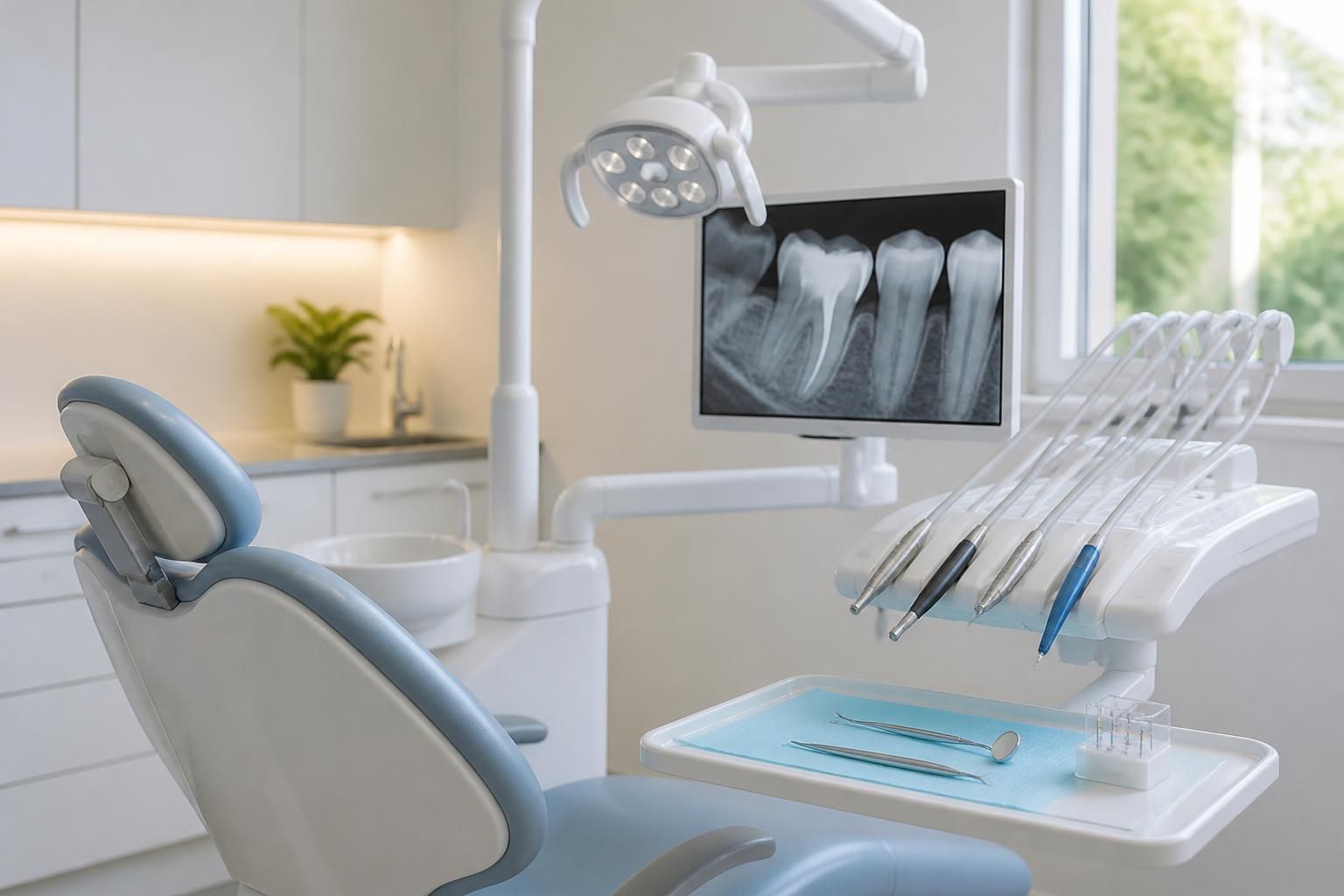
A toothache that keeps pulsing, pain that lingers after hot or cold drinks, or pressure when you bite can all point to a deeper problem inside the tooth. When the discomfort starts interrupting meals, sleep, or focus, it is time to have it checked before the irritation grows into a larger concern.
At Wolff Randy L DDS, we help patients in San Diego, California understand what is happening and what can be done next. Root canal therapy is used to remove irritated or infected tissue from inside a tooth, ease pain, and help save the tooth when possible.
Root canal therapy is often recommended when the soft inner tissue of a tooth, called the pulp, has become inflamed or infected. That can happen after deep decay, repeated dental work on the same tooth, a crack, or an injury. The pain may be sharp, dull, or come and go, and sometimes the tooth becomes sensitive long after the source of heat or cold is gone.
Not every sore tooth needs this treatment, but certain signs make it more likely that the pulp has been affected. The earlier the problem is evaluated, the more options there may be for saving the tooth and calming the discomfort.
Root canal therapy focuses on removing the damaged tissue from inside the tooth, cleaning the chamber, and sealing it so the space is no longer a source of irritation. The goal is to keep the natural tooth in place whenever possible instead of moving straight to removal.
At Wolff Randy L DDS, we take time to explain what the tooth is showing and what the treatment is designed to do. Many patients feel more comfortable once they understand that the goal is pain relief and preservation of the tooth, not simply treating a symptom and moving on.
Some teeth send clear signals long before the pain becomes severe. Others stay quiet until infection has already advanced. That is why ongoing sensitivity, pressure, or swelling should be taken seriously, even if the discomfort comes and goes.
If you have been favoring one side of your mouth, avoiding chewing on a certain tooth, or noticing that a tooth feels different from the rest, it is worth getting checked. Root canal therapy may be part of the solution, especially when the inside of the tooth has been compromised.
Many people describe a slow build of symptoms rather than one dramatic event. A tooth might hurt only when biting on something firm, or a cold drink might trigger pain that hangs around longer than it should. Some patients also notice a lingering ache at night or a sore spot that is easy to miss during the day.
Most patients want to know how the process will feel and what comes afterward. The first step is a careful look at the tooth and a conversation about the pain, the history of the tooth, and any recent changes. Once root canal therapy is performed, the area is managed so the tooth can settle and heal.
After treatment, it is common for the tooth to feel tender for a short time as the surrounding tissue responds. That usually improves as the tooth calms down. We also discuss how to protect the tooth while it is recovering and whether additional restoration is needed for strength and appearance.
When a natural tooth can be preserved, it often helps maintain normal chewing, spacing, and appearance. Removing a tooth is sometimes necessary, but preserving the tooth through root canal therapy can reduce the need for a gap to be managed later.
Many patients are relieved to hear that severe pain does not always mean the tooth must be removed. Saving the tooth can also help protect nearby teeth from shifting and can keep your bite more stable overall.
Dental pain can make even a short visit feel stressful. We make a point of explaining each step clearly so you know what is happening and why. If you have been putting off care because the tooth seems manageable for now, that waiting period can sometimes allow the issue to deepen.
Root canal therapy is often more straightforward when the tooth is evaluated before swelling or heavier damage sets in. If you are dealing with a tooth that has been acting up for a while, Wolff Randy L DDS can help you sort out whether the problem is pulp-related or caused by something else.
No. Some teeth are sensitive because of decay, gum irritation, a high filling, or a crack that does not reach the pulp. A careful exam helps determine whether the nerve tissue is involved.
Constant pain can happen when the pulp inside the tooth is irritated or infected and no longer settles down between triggers. That is one reason lingering pain should be evaluated instead of ignored.
Sometimes, yes. If enough healthy tooth structure remains and the infection can be addressed, root canal therapy may help preserve the tooth rather than removing it.
Often it will. A tooth that has had root canal therapy may need a filling, crown, or bridge depending on how much structure remains and where the tooth sits in your mouth.
The tissues around the tooth may need time to settle after the inside has been cleaned and sealed. Mild tenderness can happen as the area adjusts.
Keep track of what changed, when it changed, and what seems to trigger it. That information helps guide the evaluation and can make it easier to narrow down the source of the problem.
If a tooth has been aching, sensitive, or painful when you bite, do not wait for it to settle on its own. Wolff Randy L DDS provides root canal therapy for patients in San Diego, California who need a clear answer and a practical next step.
Call +18582731133 to arrange a visit and get help with the tooth that has been bothering you. The sooner the tooth is evaluated, the sooner you can move toward relief and a more stable bite.

Schedule Time
Whether you need a routine cleaning, a filling, whitening, or help with a dental concern, our office is here to provide practical care and answer your questions clearly.