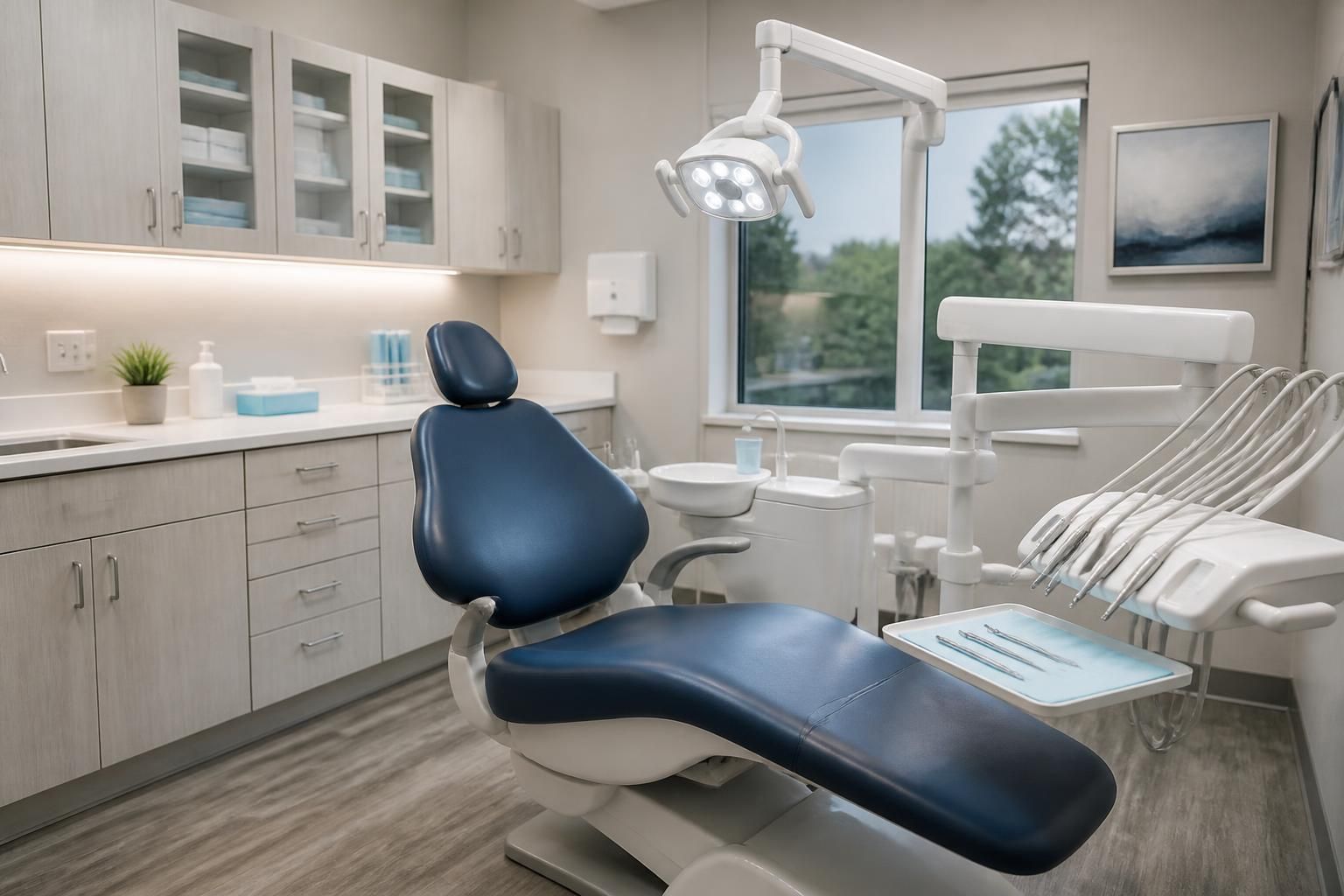
A sudden toothache, a chipped tooth, or swelling around the gums can make it hard to think about anything else. If you need emergency dental care in San Diego, California, Wolff Randy L DDS can help you take the next step with a clear plan and prompt attention.
Call right away if pain is getting worse, a tooth has been knocked loose, or bleeding will not settle down. We can help you understand what may be happening, what to do before your visit, and how to get relief as soon as possible.
Some dental problems can wait for a routine appointment, but others need quick attention before they become harder to manage. If you are unsure whether your situation is urgent, it is better to call and describe what you are feeling than to keep guessing.
Wolff Randy L DDS helps patients across San Diego, California sort out these situations and decide what needs attention first.
Dental pain can show up in different ways, and the pattern often gives clues about the cause. Sharp pain when biting, throbbing that comes and goes, or sudden sensitivity to hot and cold may all point to a tooth that needs care.
If pain is concentrated in one tooth, worsens when chewing, or spreads toward the jaw, it may involve decay, a crack, or inflammation inside the tooth. Pain that lingers after eating or drinking can also be a sign that the nerve is irritated.
Swelling, tenderness, or warmth around the gums should not be ignored. A bad taste, pressure around one area, or discomfort that seems to move into the jaw may indicate infection or trapped debris that needs professional treatment.
Chipped enamel, broken edges, and missing restorations often leave the tooth more sensitive than before. Even if the damage looks small, the exposed area can worsen with chewing or grinding.
At Wolff Randy L DDS, the goal is to reduce pain, protect the tooth, and choose the next step based on what the exam shows. Some problems call for a simple restoration, while others need more involved care.
Because each case is different, the best plan depends on how the tooth responds during the visit. Some problems are straightforward, while others need more than one step to settle down.
A broken tooth can happen after biting something hard, clenching, a fall, or even an older filling giving way. The sharp edge may irritate the tongue or cheek, and the exposed surface can become more sensitive with heat, cold, or pressure.
If a tooth breaks, rinse gently with warm water and avoid chewing on that side. If there is bleeding, apply light pressure with clean gauze or a soft cloth. If the tooth fragment is available, bring it with you if possible. We can evaluate whether the tooth needs a filling, crown, or another restorative solution.
Strong tooth pain can make the whole day feel difficult. While you wait to be seen, a few simple steps may help reduce strain on the area and make the problem more manageable.
These steps can ease symptoms, but they do not replace dental treatment. If pain keeps building, it often means the tooth needs attention before it settles down on its own.
When pain comes from deep decay or irritation inside a tooth, root canal therapy may be part of the solution. This type of care is used when the inner tissue of the tooth is inflamed or infected and needs to be addressed to save the tooth whenever possible.
People often notice lingering pain after eating, sensitivity that does not fade quickly, or swelling near the affected tooth. In some cases, the tooth may feel tender to touch or painful when biting. At Wolff Randy L DDS, we evaluate whether root canal therapy is the right next step based on the condition of the tooth and surrounding area.
A few small steps can make a dental visit easier and help the appointment start smoothly. If you are dealing with pain or damage, try to stay calm and note what changed, when it started, and what makes it better or worse.
Tell us when the pain began, whether swelling is present, and whether the tooth was injured recently. If you have a lost filling, crown, or broken piece, bring it with you if possible.
Do not try to file a sharp edge, force a loose tooth, or place aspirin directly on the gum. Those actions can irritate the tissue and make the area more sensitive.
Before leaving home, eat lightly if you can and avoid very hard foods. If you take regular medications, have that information ready so it can be discussed during the visit.
Once the immediate problem is treated, the area may still need time to settle. Following the instructions you are given can help protect the tooth and reduce the chance of further irritation.
Keep the area clean, avoid chewing on the repaired tooth until you are told it is okay, and watch for changes such as renewed swelling, increasing pain, or a loose restoration. If anything feels different after your visit, let us know so it can be reviewed.
Severe pain, swelling, a broken tooth, a loose tooth, and bleeding that does not slow are reasons to call promptly. If the problem is making it hard to eat or sleep, it should be checked soon.
Yes. Even a small chip can leave a tooth sensitive or sharp enough to irritate the tongue and cheek. It can also expose the tooth to further damage if chewing continues on that side.
If a crown comes loose or falls off, keep it safe and avoid chewing on that tooth. The exposed tooth may be sensitive and more likely to break further until it is repaired.
Sometimes swelling improves for a short time, but it can also mean infection or another problem that needs treatment. A dental exam helps identify the cause before it worsens.
It can be hard to tell without an exam. Pain may seem spread out because nerves and surrounding tissues share signals, so an evaluation is often the only way to pinpoint the source.
Yes. Wolff Randy L DDS serves patients seeking urgent dental help in San Diego, California, including those who need a prompt assessment for pain, damage, or swelling.
If you are dealing with a painful tooth, a broken restoration, or a sudden change in your mouth, do not wait for it to become harder to handle. Contact Wolff Randy L DDS in San Diego, California at +18582731133 to describe what is happening and arrange the next step.

Schedule Time
Whether you need a routine cleaning, a filling, whitening, or help with a dental concern, our office is here to provide practical care and answer your questions clearly.