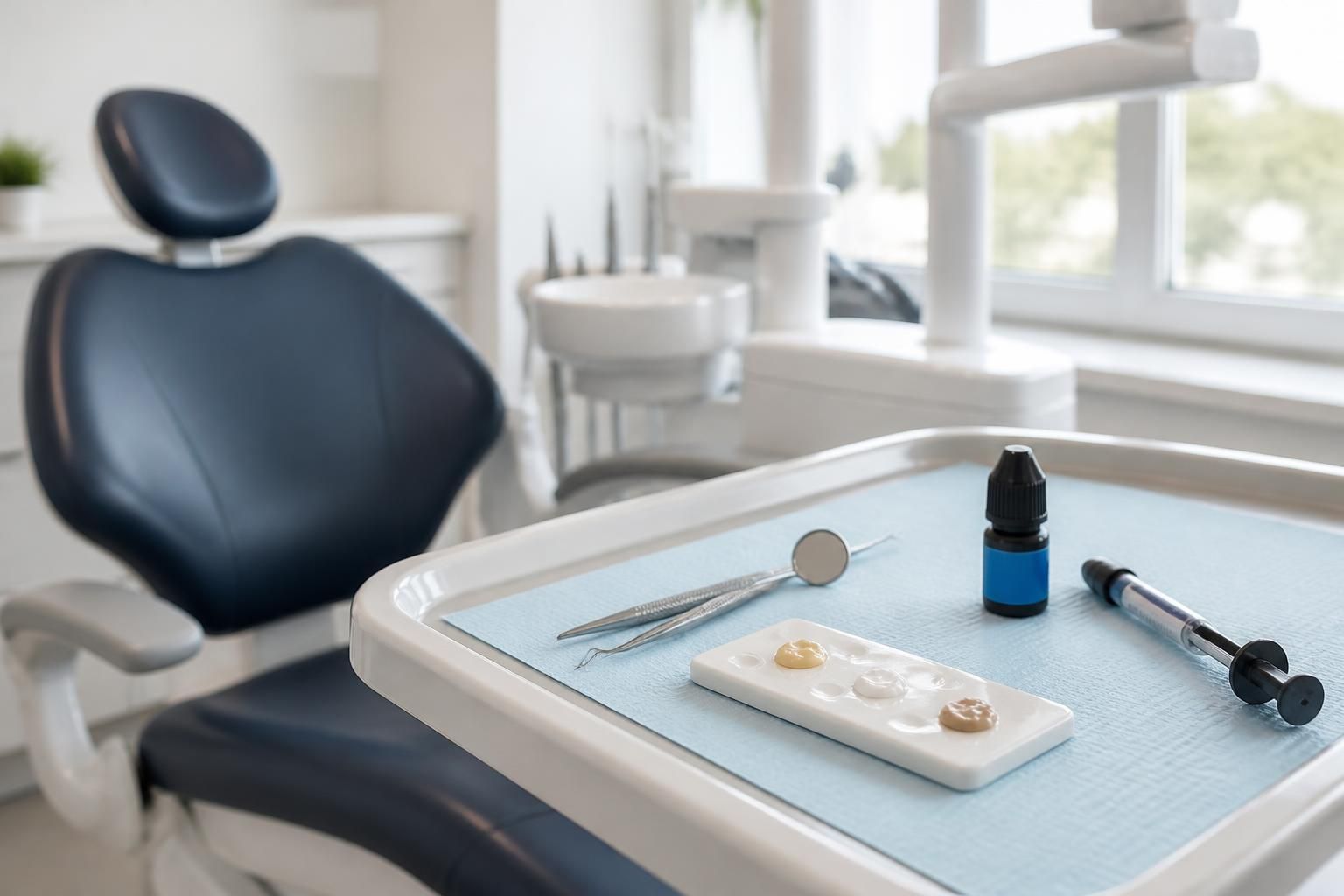
Tooth pain, sensitivity, or a rough spot on a tooth can make eating, brushing, and even talking feel uncomfortable. If you notice a dark spot, a chipped edge, or food catching where it should not, a filling may be the next step before the damage spreads further.
At Wolff Randy L DDS, we help patients in San Diego, California address decay and minor tooth damage with tooth fillings that are designed to restore everyday comfort. If a cavity has started or an old filling has worn down, we can evaluate the tooth and discuss the most practical way to repair it.
A filling is used when a tooth has lost structure from decay or small damage and still has enough healthy tooth remaining to save. The goal is to remove the affected area, preserve as much natural tooth as possible, and rebuild the surface so you can chew and speak with less discomfort.
Many people wait because symptoms can come and go. That delay can allow a small cavity to become a deeper problem. A filling is often recommended when the tooth is still stable enough for a conservative repair.
When you come to Wolff Randy L DDS for tooth fillings, we begin by checking the tooth and surrounding areas so we can understand how much of the tooth is affected. If a filling is the right option, we explain the repair before moving forward.
The work is focused and straightforward. The damaged portion is removed, the tooth is shaped for the filling, and the material is placed to restore the surface. The final result should feel smooth and natural when you bite and chew.
Different teeth and different kinds of wear call for different filling approaches. The right material depends on the tooth’s location, the size of the cavity, and how much chewing force the tooth handles.
We take the time to talk through the repair so you know what to expect and why one material may fit better than another.
A cavity does not stay the same for long. Once the outer surface of a tooth is compromised, the damage can move deeper and make the repair more involved. A tooth that might have needed a simple filling can later require a more extensive procedure.
Addressing decay early can help preserve more of the natural tooth. It also reduces the chance of chewing discomfort and sensitivity becoming part of your daily routine.
Early treatment can often mean a smaller filling, less tooth structure removed, and a smoother recovery after the visit. Waiting too long may allow bacteria to reach deeper layers, where treatment becomes more complex.
Most people return to normal habits after a filling once the tooth feels settled. For the first part of the day, your bite may feel slightly different while the tooth adjusts. If something still feels off after the numbness wears away, let us know so we can check it.
Good home care helps fillings last longer and supports the tooth around them. That means daily brushing, flossing, and keeping an eye on changes in how the tooth feels.
Even a well-placed filling can need attention over time. Wear, clenching, or new decay along the edges can change how the tooth feels. The sooner these changes are checked, the easier it is to address them.
Call Wolff Randy L DDS if a filled tooth starts to feel different from the rest of your bite or if you notice a new ache that lingers after eating.
When you want tooth fillings in San Diego, California, it helps to have a dental office that keeps the process clear and practical from the first conversation. You should know what the tooth needs, what the repair is intended to do, and how to care for it afterward.
Wolff Randy L DDS works with patients who want straightforward treatment for decay and minor tooth damage without unnecessary complexity. If you are dealing with a cavity or an old filling that no longer feels right, we can evaluate the tooth and move forward with a plan that fits the problem.
Common signs include sensitivity, pain when chewing, visible spots, or food getting trapped around a tooth. Sometimes a cavity is found during an exam before symptoms become obvious.
Yes, if the chip is small and the tooth still has enough healthy structure. Larger chips may need a different type of repair.
That depends on the size and location of the cavity. Smaller repairs usually take less time than larger ones or teeth that need extra shaping.
Most fillings feel normal once the tooth settles and your bite adjusts. If the tooth feels high or uneven, it should be checked.
Yes. Old fillings may be replaced if they are worn, cracked, leaking, or no longer supporting the tooth well.
Brush and floss daily, avoid chewing very hard objects, and keep up with routine dental visits so small problems are caught early.
A filling is often the simplest way to stop a cavity from growing and to bring comfort back to a damaged tooth. If you have been noticing sensitivity, roughness, or pain while chewing, it is worth having the tooth checked before the problem becomes harder to manage.
Contact Wolff Randy L DDS to discuss tooth fillings in San Diego, California and learn what repair makes sense for your tooth.

Schedule Time
Whether you need a routine cleaning, a filling, whitening, or help with a dental concern, our office is here to provide practical care and answer your questions clearly.